 Metal Spinning
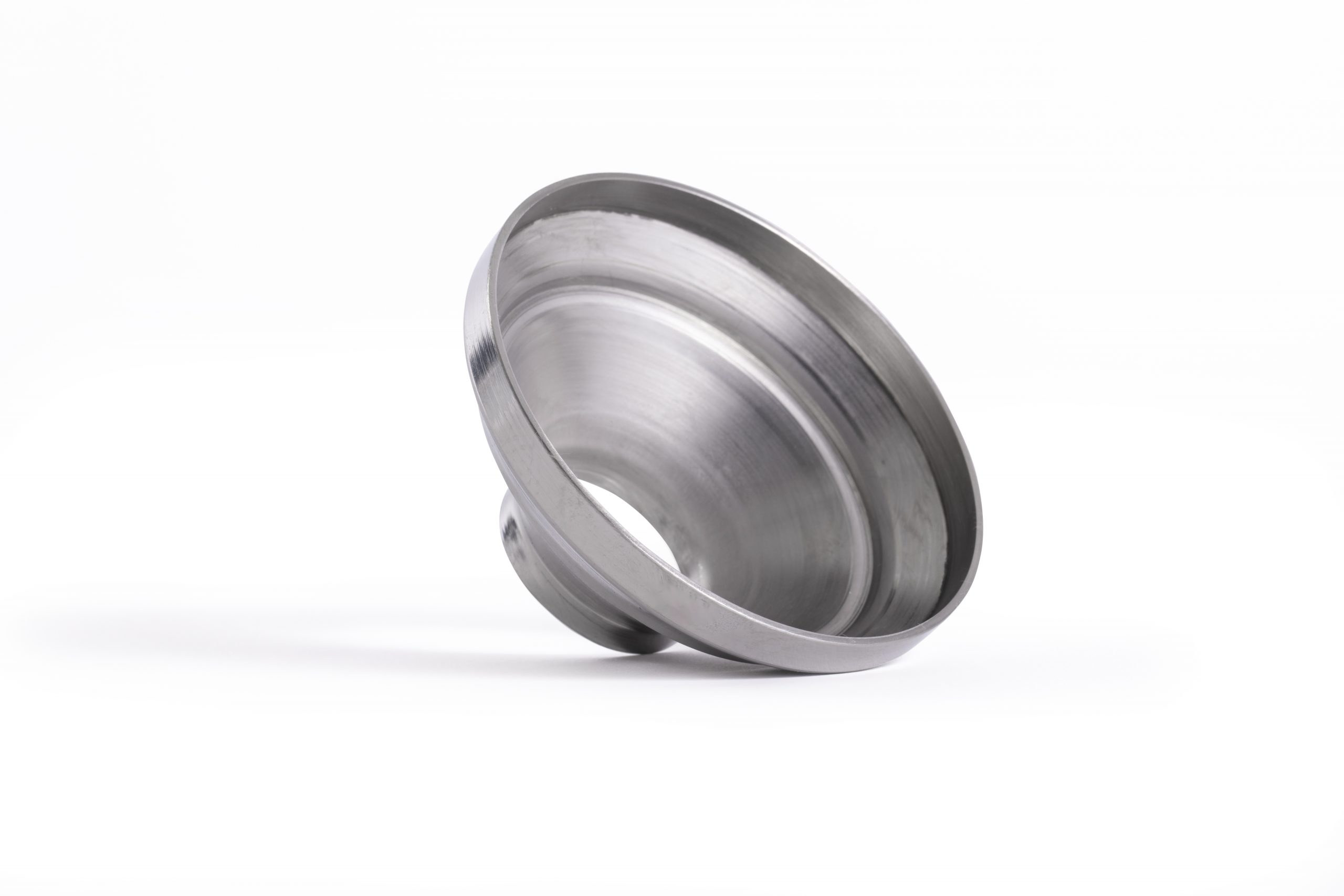 Bespoke Metal Spinning
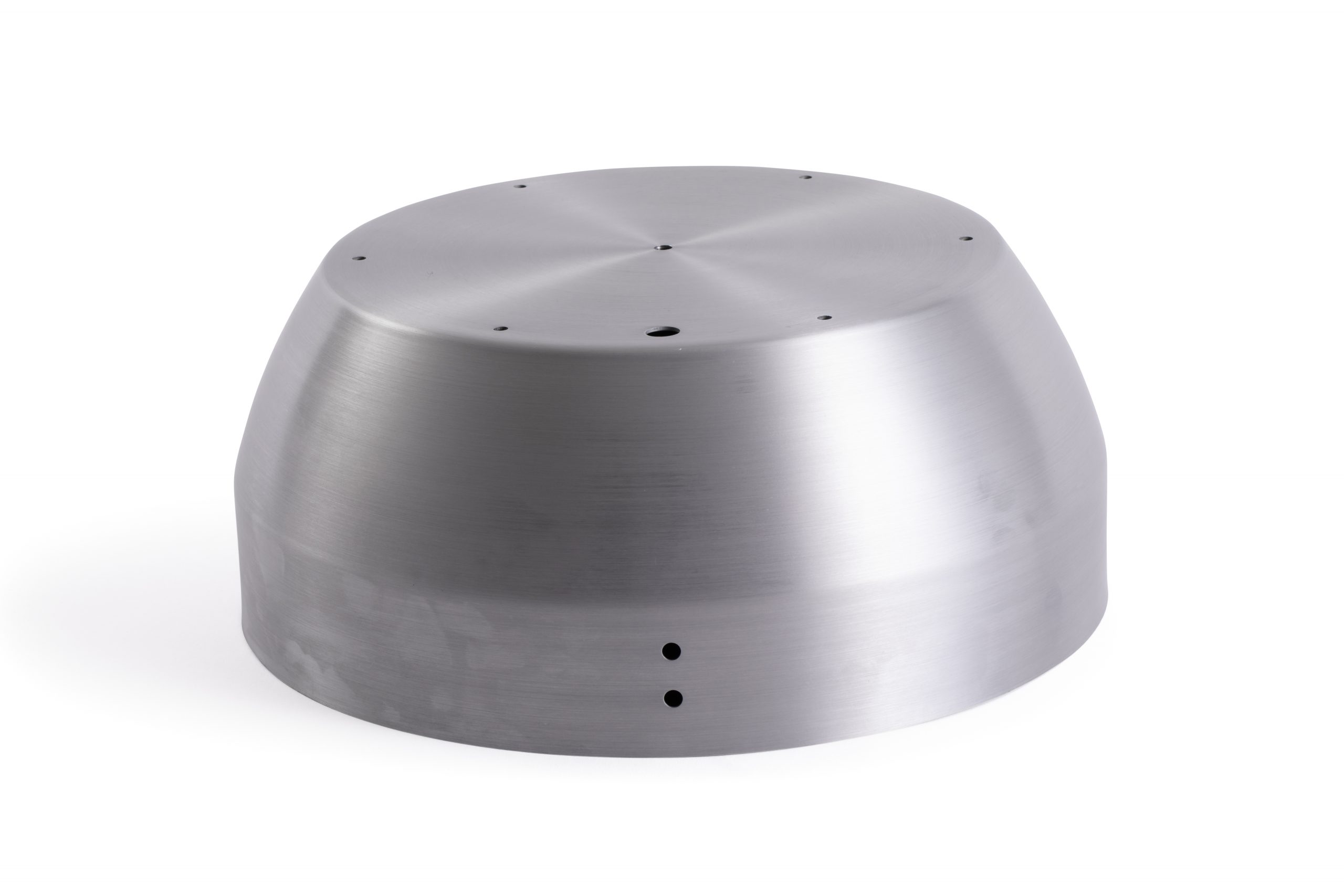 Metal Polishing
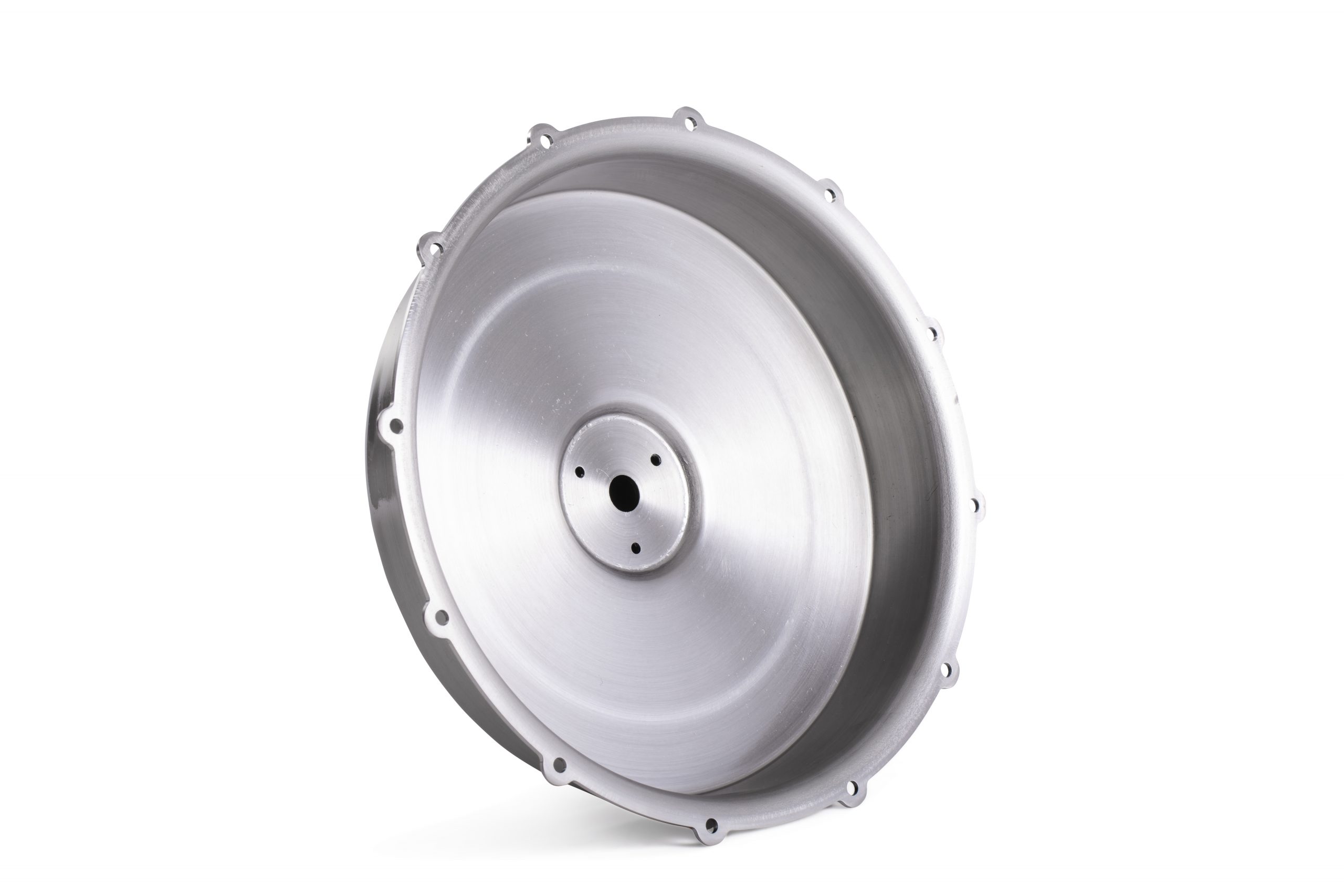 Machining
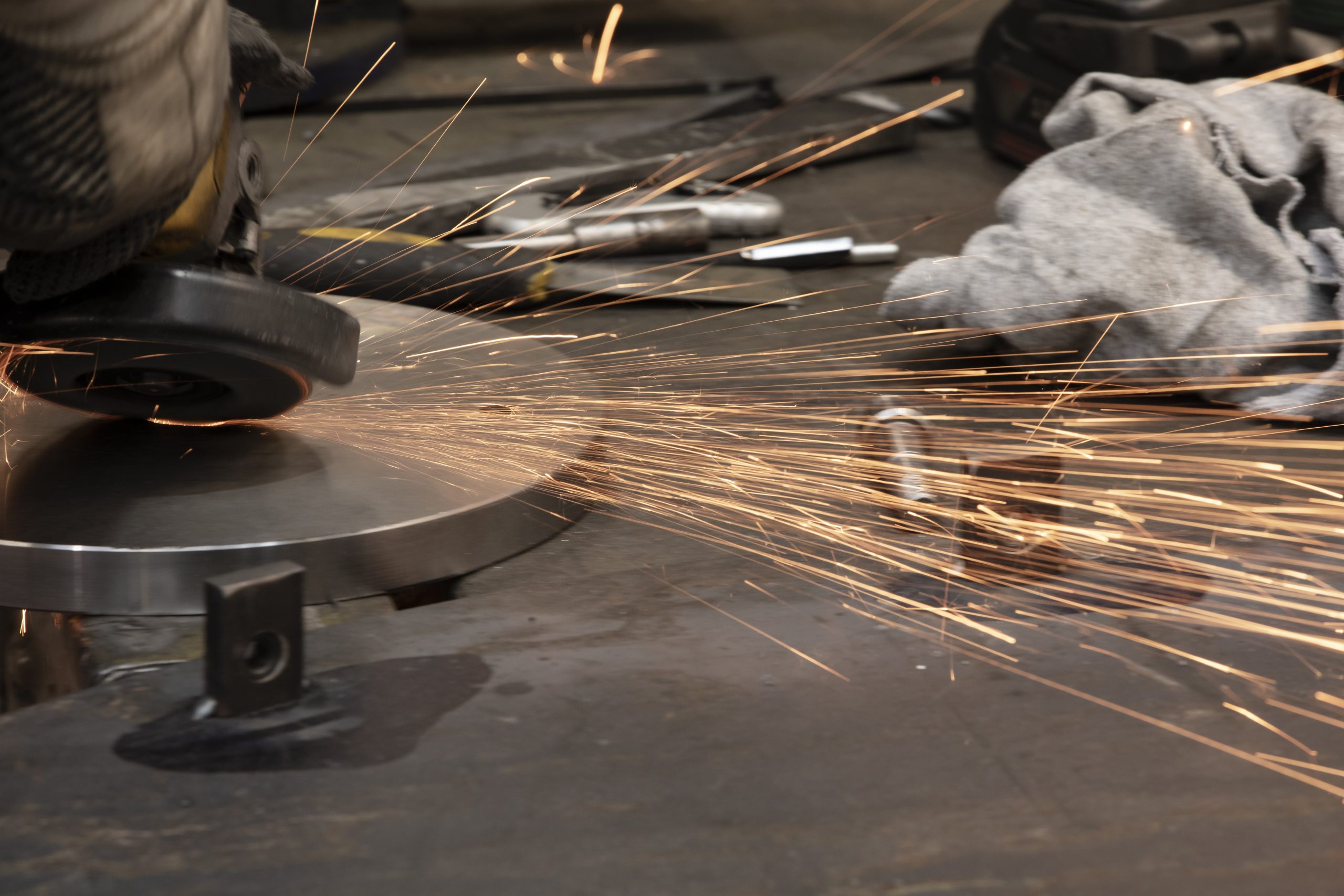 Metal Pressing
 Metal Swaging
 Metal Fabrication & Welding
 Precision Engineering
 Laser Cutting
 Inspection and Quality
 Anodising, Electropolishing and Pickling & Passivating
 Agriculture
 Automotive
 Air Movement
 Food Industry
 Marine
 Medical and Cryogenic
 Playground
 Pressure Vessels
 Renewable Energy
 Safety
Post-Spin Heat Treatment: Stress Relief and Annealing Best Practices
< Blogs < Post-Spin Heat Treatment: Stress Relief and Annealing Best Practices
Metal spinning induces significant work hardening and residual stresses in the material due to the intense forces applied during forming. Without proper post-spin heat treatment, these stresses can lead to distortion, cracking, reduced ductility, or premature failure in service. At Tanfield Metal Spinners, we have refined our post-spinning heat treatment processes over nearly 40 years to ensure every component meets the highest standards of dimensional stability, mechanical performance, and longevity.
This comprehensive guide explores the importance of stress relief and annealing after metal spinning, the key differences between them, best practices, and how we implement them for superior results across industries such as agriculture, pressure vessels, renewable energy, and more.
Why Post-Spin Heat Treatment Is Essential
During metal spinning, a flat metal blank is rotated at high speed and formed using powerful rollers. This cold-working process aligns the grain structure, increasing strength and hardness, but it also creates internal residual stresses. These stresses can cause:
- Warping or distortion after spinning or during subsequent machining
- Reduced fatigue life and corrosion resistance
- Cracking during further forming, welding, or in-service loading
- Difficulty in achieving tight tolerances
Post-spin heat treatment restores balance by relieving stresses and, when required, softening the material for improved ductility and machinability.
Stress Relief vs Annealing: Understanding the Difference
Stress Relief
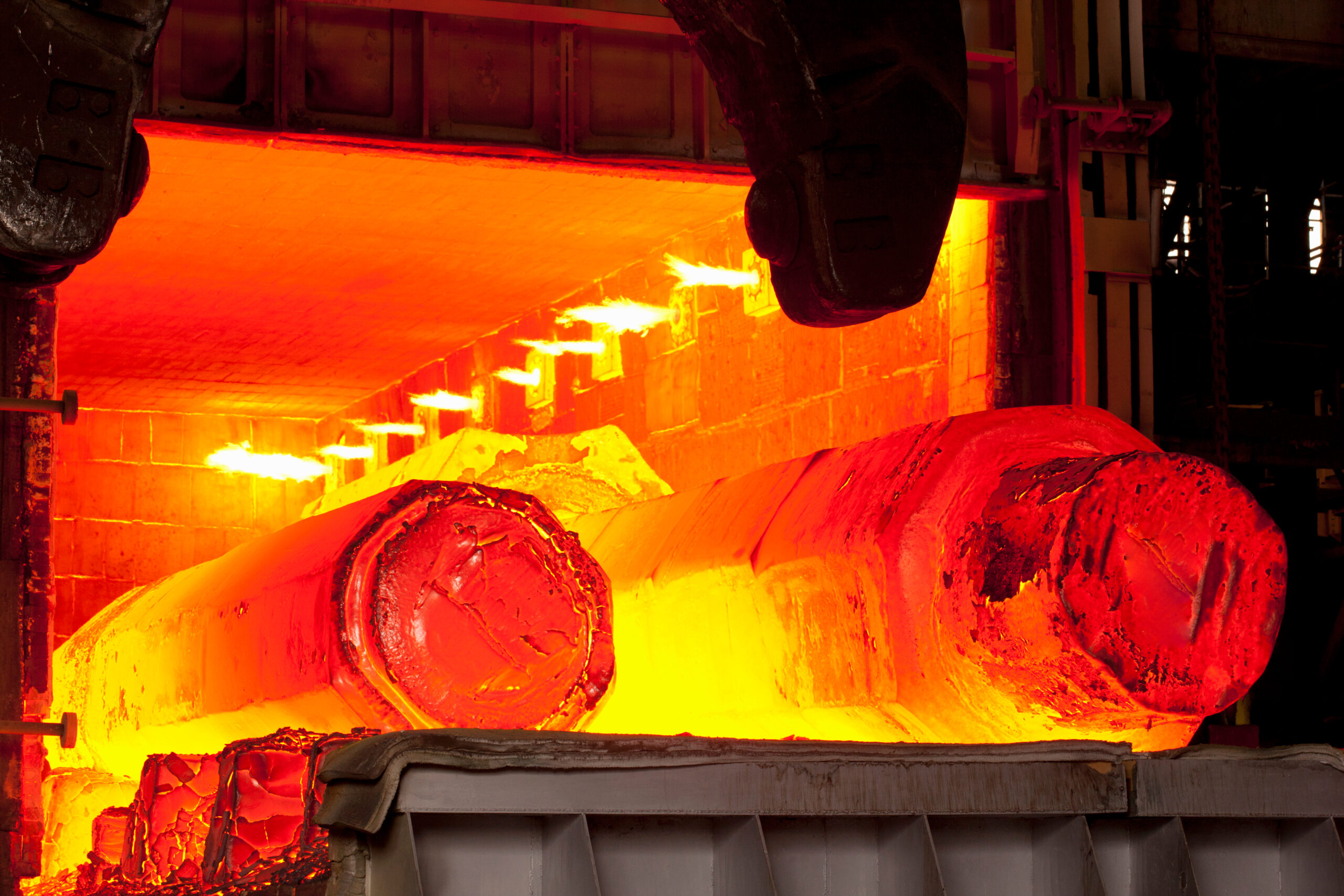
Stress relieving is a sub-critical heat treatment designed specifically to reduce residual stresses without significantly altering the material’s microstructure or mechanical properties. The metal is heated to a temperature below its critical transformation point, held (soaked), and then cooled slowly.
- Primary goal: Dimensional stability and crack prevention
- Typical temperatures: 550–650°C for carbon steels; lower for aluminium alloys (260–440°C)
- Effect: Minimal change to hardness or strength; excellent for maintaining the work-hardened benefits of spinning
Annealing
Annealing involves heating the metal to a higher temperature (often above the critical point for ferrous metals), soaking, and then cooling very slowly, usually inside the furnace. This process promotes recrystallisation, softens the material, and relieves stresses more completely.
- Primary goal: Restore ductility, reduce hardness, and improve formability or machinability
- Typical temperatures: 700–900°C+ depending on material and type (full anneal, process anneal, etc.)
- Effect: Softer, more workable material with refined grain structure
At Tanfield Metal Spinners, we carefully select the right process, or combination; based on the material, component design, and end-use requirements.
Best Practices for Post-Spin Stress Relief
1. Timing is Critical
Perform stress relief as soon as possible after spinning, especially for highly deformed parts or materials prone to stress corrosion cracking (such as stainless steels).
2. Temperature Control
Precise temperature selection prevents unintended phase changes. For example:
- Mild steel: 550–650°C
- Stainless steel (austenitic): 400–500°C (to avoid sensitisation)
- Aluminium: 260–440°C (partial anneal/stress relief)
3. Soak Time
A common rule is 1 hour per inch of thickness, with a minimum of 30–60 minutes. Thicker spun sections or complex shapes may require longer.
4. Controlled Heating and Cooling
Gradual heating prevent new thermal stresses. Slow, uniform cooling (often in the furnace) is essential to avoid reintroducing stresses.
5. Atmosphere Control
Use protective atmospheres or vacuum where needed to prevent oxidation or scaling, particularly on stainless steel, aluminium, or components requiring clean surfaces.
6. Post-Treatment Inspection
Check for distortion using precision measurement tools. At Tanfield, our ISO 9001 quality system includes thorough verification at every stage.
Best Practices for Post-Spin Annealing
Annealing is particularly valuable when further forming, deep drawing, or extensive machining will follow spinning.
- Full Annealing: For maximum softness in carbon steels, heat above critical temperature and furnace cool slowly.
- Process (Sub-Critical) Annealing: Used for non-ferrous metals or when only partial softening is needed.
- Bright Annealing: For stainless steels and alloys where surface finish is critical.
Key considerations:
- Avoid overheating, which can cause excessive grain growth and weaken the part.
- Support complex geometries during heating to prevent sagging or distortion.
- For spun cones, cylinders, and dished ends, proper fixturing is essential.
Material-Specific Recommendations
Mild Steel & Carbon Steel
Stress relief at 550–650°C is standard. Full annealing when maximum ductility is required for secondary operations.
Stainless Steel
Careful temperature control is vital to avoid carbide precipitation. We often use lower-temperature stress relief or stabilised grades.
Aluminium Alloys
More sensitive to heat. Stress relief/partial annealing at 300–400°C helps maintain strength while improving formability.
Specialist Alloys (Corten, Duplex, Titanium, etc.)
Require tailored programmes. Our experienced team selects the optimal cycle for each.
Benefits of Professional Post-Spin Heat Treatment
- Improved dimensional accuracy and stability
- Enhanced fatigue and corrosion resistance
- Better weldability for fabricated assemblies
- Extended service life of the final component
- Reduced risk of field failures in demanding applications (e.g., agricultural hoppers, pressure vessel ends, ventilation components)
Customers who specify post-spin heat treatment from Tanfield report fewer rejects, easier downstream processing, and greater confidence in product performance.
Tanfield Metal Spinners’ Heat Treatment Capabilities
Our 35,000 sq ft facility in the North East of England combines advanced metal spinning with comprehensive secondary processes:
- In-house and partnered heat treatment facilities for stress relief and annealing
- Full traceability and material certification
- CNC machining, pressing (up to 350 tons), welding, fabrication, and polishing all under one roof
- ISO 9001 accredited quality management
- Large spinning capacity — up to 2.4m radius and 10mm thick
We work closely with customers from the design stage to recommend the most suitable heat treatment strategy, ensuring optimal performance without unnecessary cost.
Common Applications Where Post-Spin Heat Treatment Matters
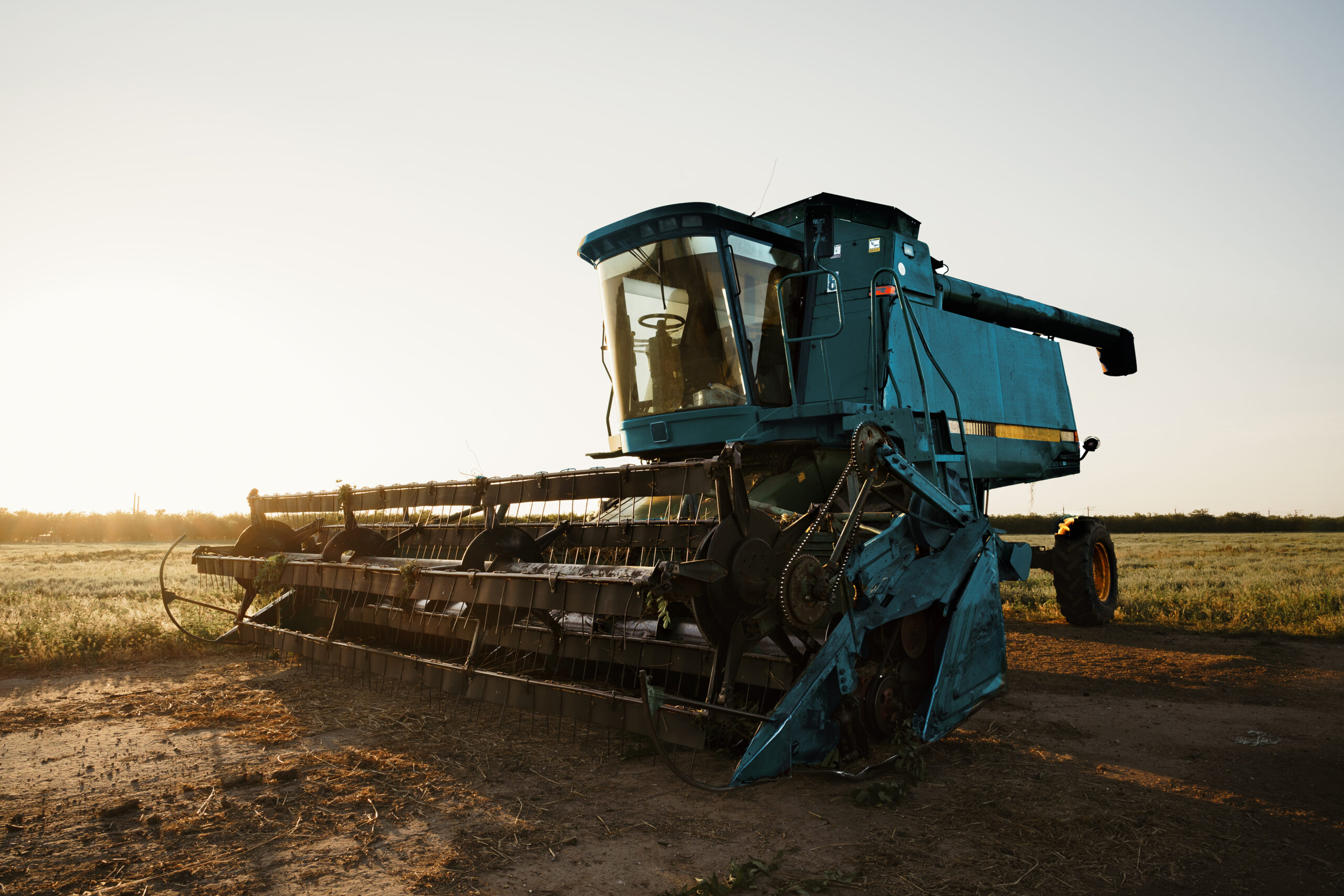
- Agricultural Equipment: Hoppers, chutes, and guards that endure constant abrasion and impact
- Pressure Vessels & Dished Ends: Critical for safety and regulatory compliance
- Renewable Energy: Wind turbine components, biogas tanks, and solar structures
- Air Movement & Ventilation: Fans, impellers, and housings requiring precise balance
- Architectural & Safety: Robust, distortion-free components
When to Specify Post-Spin Heat Treatment
Consider it essential when your spun parts will undergo:
- Further machining or welding
- High cyclic loading or pressure
- Exposure to corrosive environments
- Tight dimensional tolerances
- Secondary forming operations
Our technical team is happy to advise whether stress relief, annealing, or both will deliver the best outcome for your project.
Conclusion: Maximising Performance Through Expert Heat Treatment
Post-spin heat treatment is not an optional extra, it is a vital step that unlocks the full potential of metal spun components. By applying best-practice stress relief and annealing, manufacturers achieve stronger, more stable, and longer-lasting parts.
At Tanfield Metal Spinners, we combine decades of spinning expertise with proven heat treatment knowledge to deliver components that perform reliably in the world’s most demanding environments.
Whether you need a simple stress relief cycle on mild steel cones or a carefully controlled annealing process for complex stainless-steel assemblies, our team is ready to support your project with technical excellence and responsive service.
Ready to optimise your spun metal components?
Contact Tanfield Metal Spinners today for expert advice on post-spin heat treatment. We provide fast quotations (90% within 24 hours), design support, and end-to-end manufacturing solutions, all proudly made in Great Britain.